THE STORY OF BOYER TOWING
The story of Boyer Towing did not begin with paperwork filed in 1935. It began years earlier on the waters of Hood Canal, where the Halvorsen family earned its living one voyage at a time.
The family's maritime story starts with Boyer Halvorsen's grandfather, Albert Martin Cornelius, who operated the 52-foot sailing vessel Hazel as part of Puget Sound's legendary Mosquito Fleet in the early 1900’s. Long before highways connected the communities surrounding Hood Canal, boats like the Hazel delivered freight, supplies, mail, and occasionally provided towing assistance wherever it was needed.
Growing up around these hardworking vessels, Boyer Halvorsen Sr. developed an appreciation for life on the water at an early age. After moving from Eglon to Seabeck with his parents, Albert and Marie, in 1906, he spent his younger years sailing with Albert and learning the trade that would eventually define his life.
By the early 1930s, Boyer Sr. had bigger dreams.
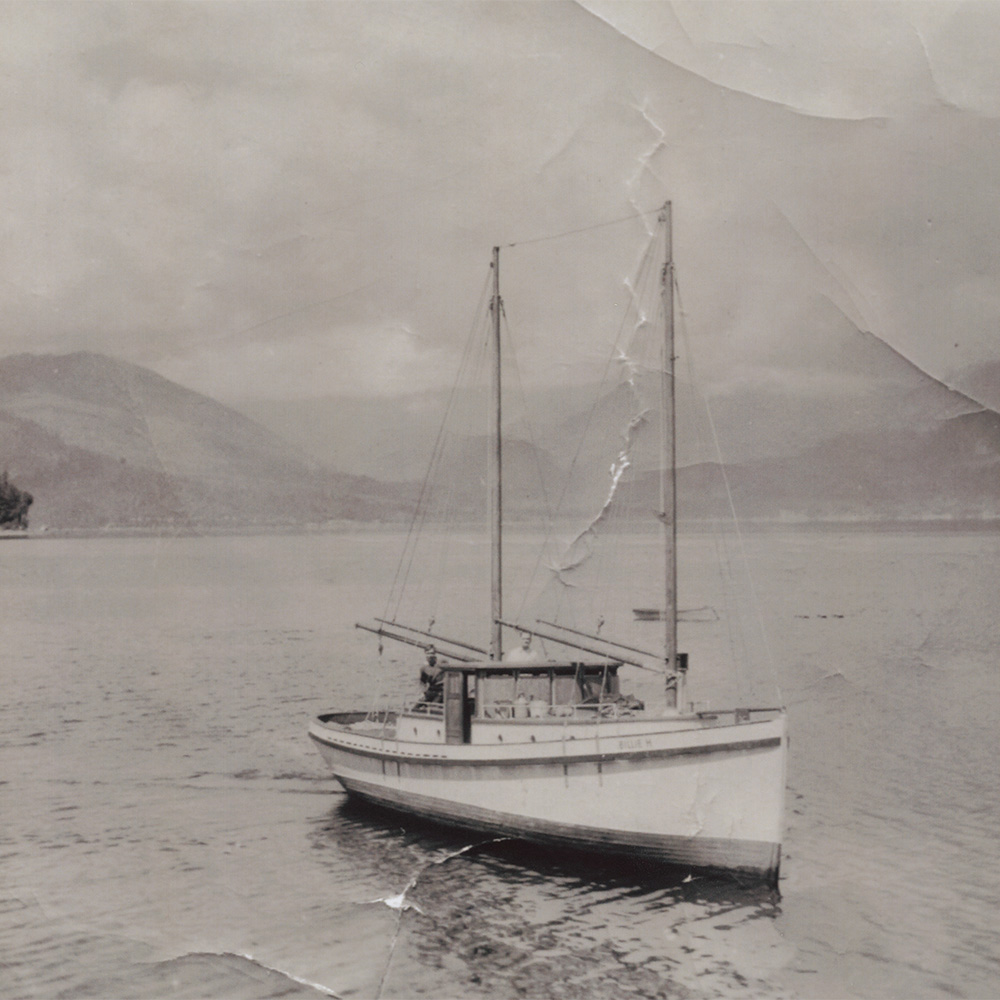
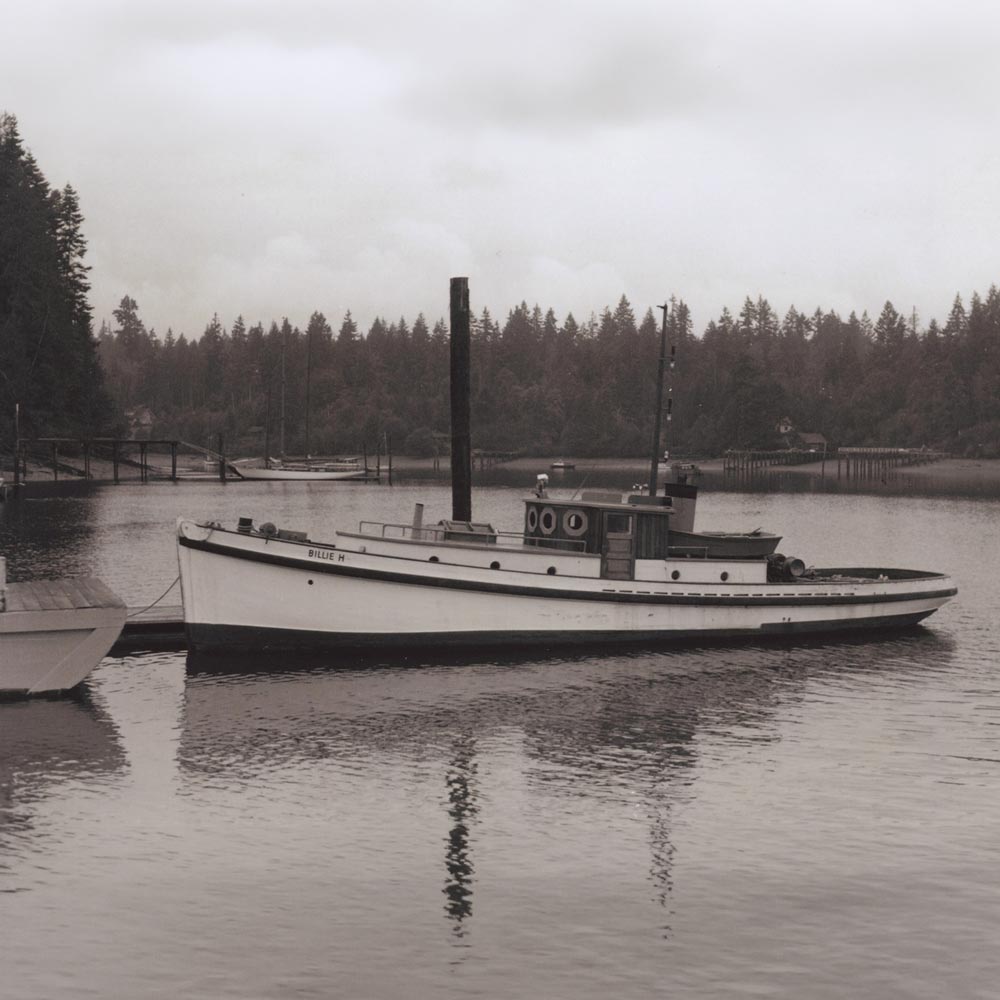
In 1933, he had a sailing vessel built in Seattle and named her the Billie H. His plan was anything but modest. He and his wife, Georgeann, set sail from Puget Sound with the intention of relocating to Southern California, where they hoped to operate sailing charters to beautiful Santa Catalina Island.
As every boating family knows, however, mother nature sometimes has other plans.
According to family history, Boyer's wife quickly discovered that life at sea was not nearly as romantic as it sounded. After becoming miserably seasick, she decided she had experienced quite enough of the voyage. At the next opportunity, she stepped ashore, boarded a train, and headed straight back to Seattle—leaving Boyer with a decision to make.
Rather than continuing south alone, Boyer turned the Billie H. around and sailed home.
Looking back, the Halvorsen family often smiles at the thought that, had she not become seasick, Boyer Towing might have become a Catalina Island sailing charter company instead of one of the Pacific Northwest’s premier marine transportation companies.
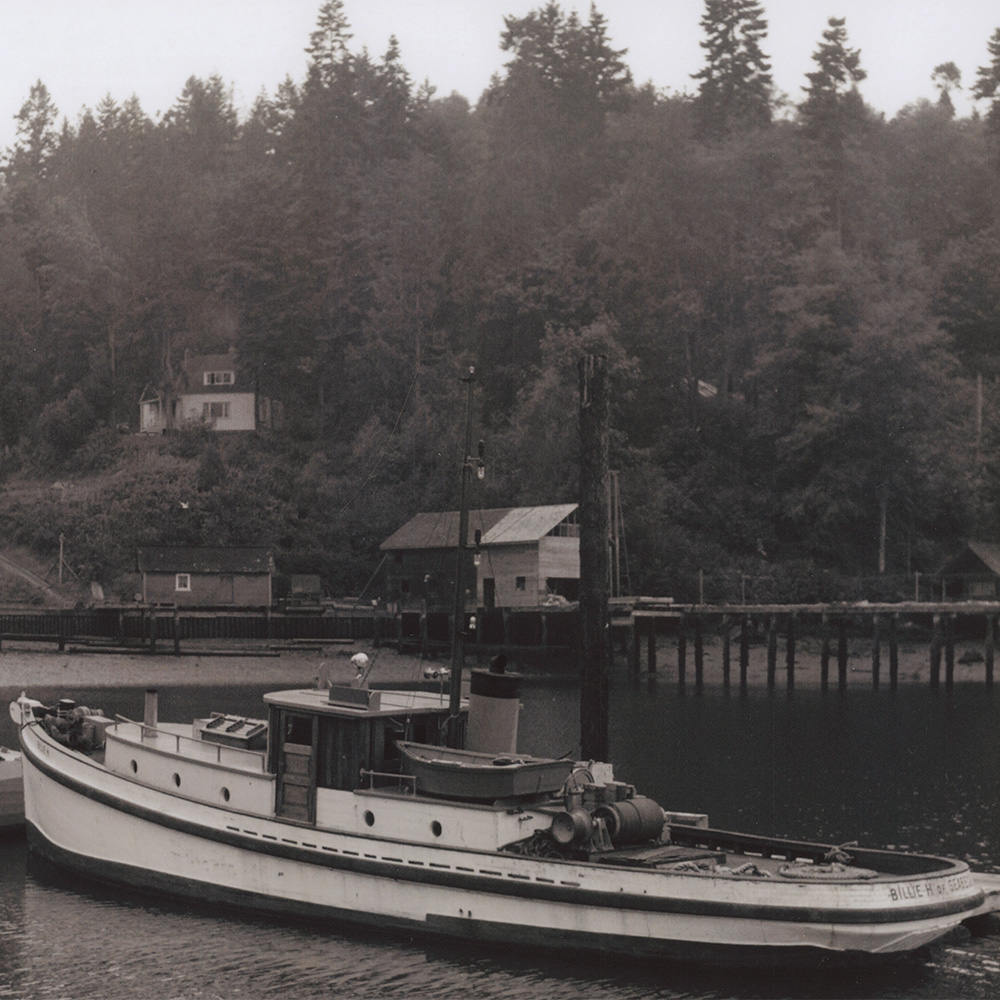
Back in Puget Sound, Boyer Sr. decided to fully commit to commercial towing. In 1935, he removed the Billie H.’s sailing masts and transformed her into a powered working vessel by installing twin steam engines. The graceful sailing vessel was reborn as a hardworking tug, towing logs and hauling freight throughout Puget Sound.
Around that same time, one of Boyer's brothers-in-law reportedly offered some well-intentioned advice:
“Quit playing with boats and get a real job.”
Boyer's response was not an argument—it was action. Steadfast determination. Grit. He simply kept working.
What some dismissed as “playing with boats” became a thriving family business. That determination, coupled with an unwavering work ethic and a passion for serving customers on the water, became the foundation upon which Boyer Towing was built.
NORTH TO ALASKA
By the early 1950s, Boyer Halvorsen Sr. had built a successful towing business throughout Puget Sound. But if there was one thing family and friends quickly learned about Boyer, it was that he was always looking toward the next horizon. Standing still simply was not in his nature.
That next horizon lay more than 700 miles to the north.
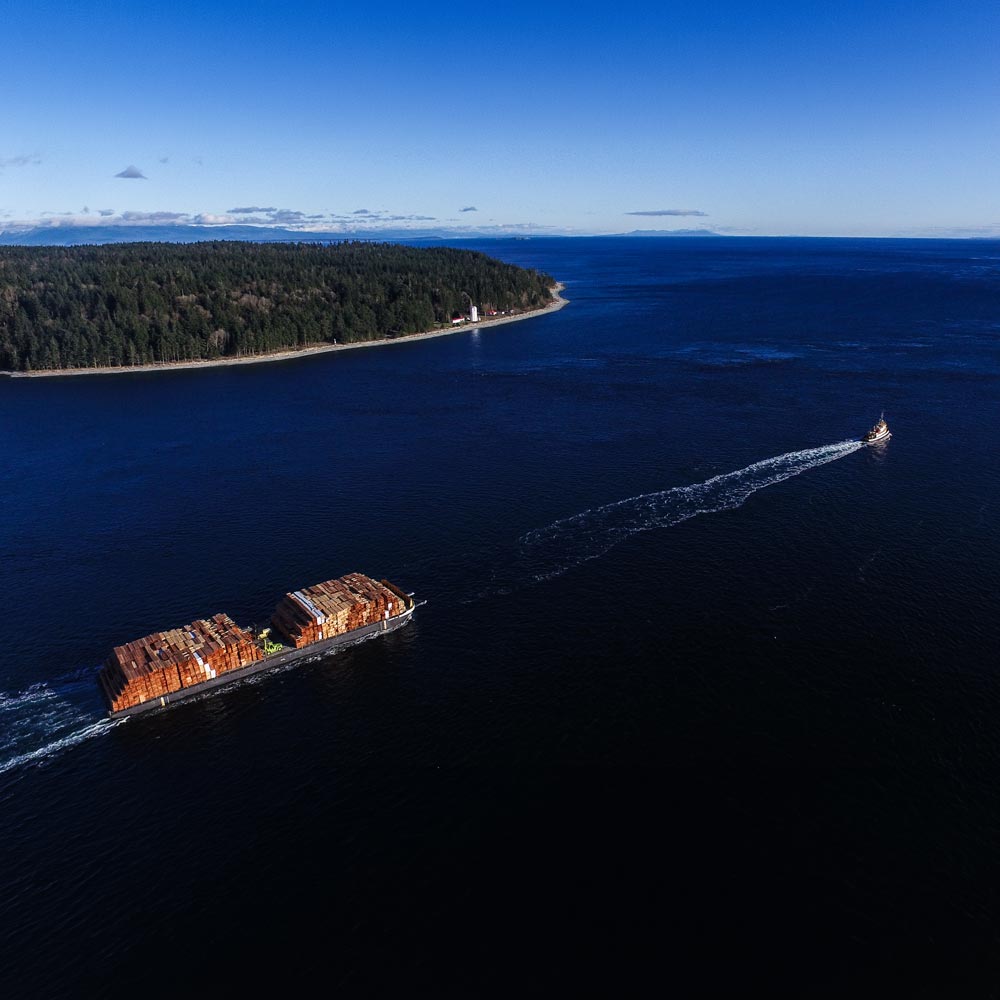
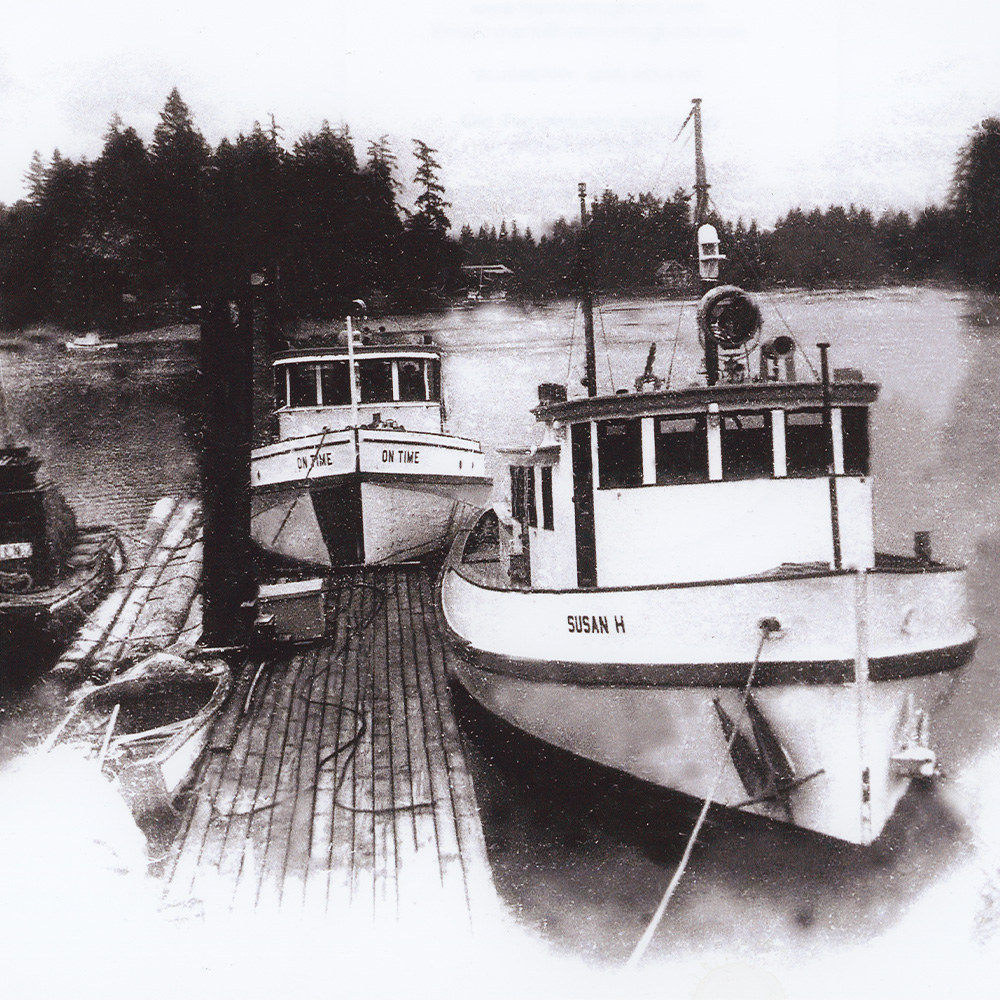
With Southeast Alaska's timber industry booming, Boyer packed up, headed to Ketchikan, and put Boyer Towing to work towing log rafts for the Ketchikan Pulp Mill. Before long, one tug became several. Throughout the 1950s and 1960s, he expanded his fleet, built additional tugboats, hired skilled captains, and earned a reputation for safely moving some of the largest log rafts in Southeast Alaska.
For many people, that would have been enough. Not for Boyer.
As he traveled between Seattle and Alaska, he began to notice another opportunity. Alaska's growing communities did not just need tugboats—they needed a dependable marine transportation link to the Pacific Northwest. Stores needed inventory. Contractors needed equipment. Families needed furniture. Businesses needed a reliable way to move freight north.
Where others saw distance, Boyer saw opportunity.
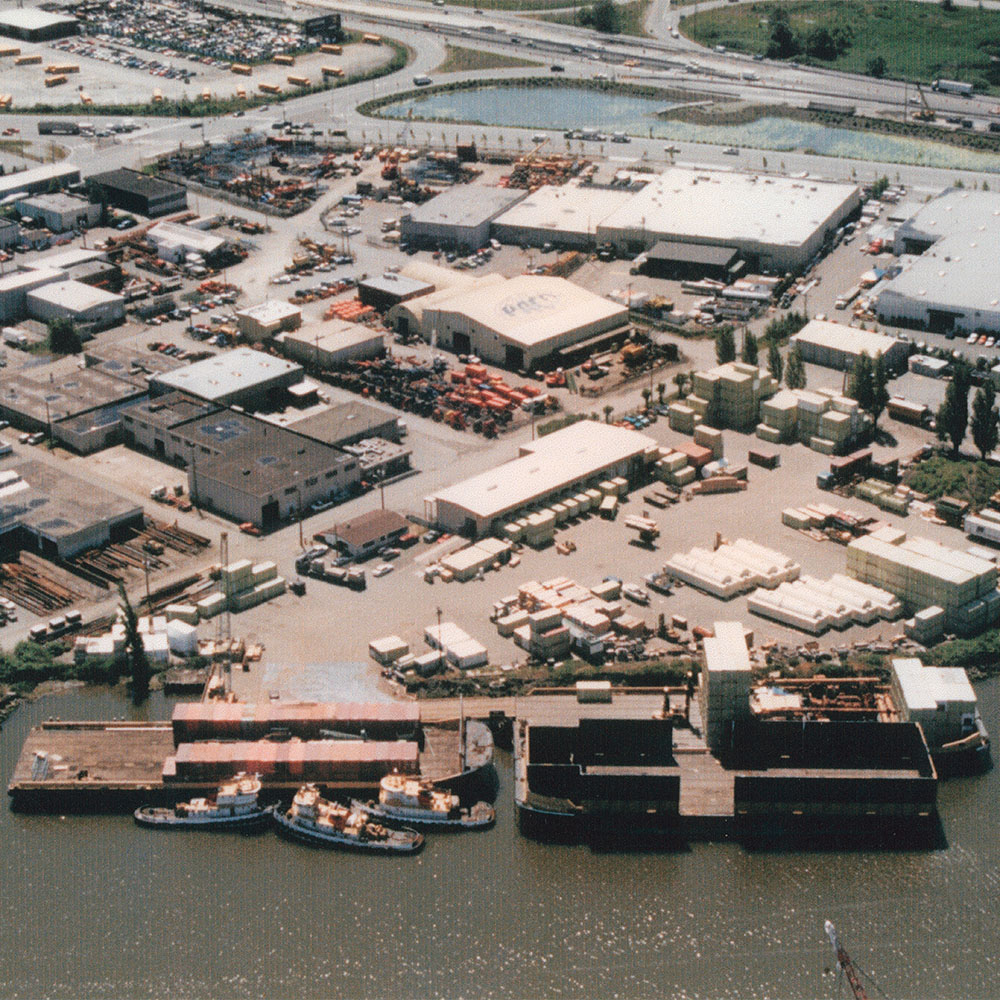
Determined to make it happen, he purchased his first waterfront property along Seattle's Duwamish River, creating a terminal where barges could be loaded for the long voyage to Southeast Alaska.
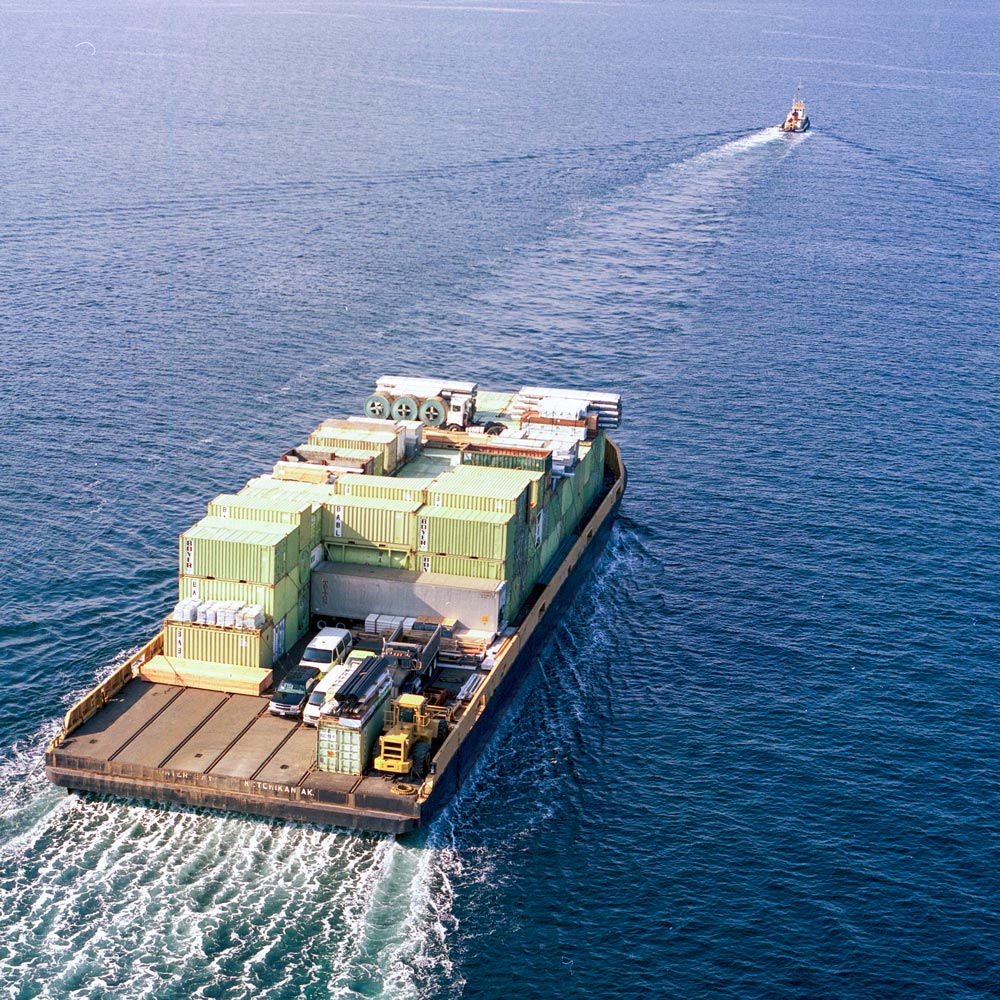
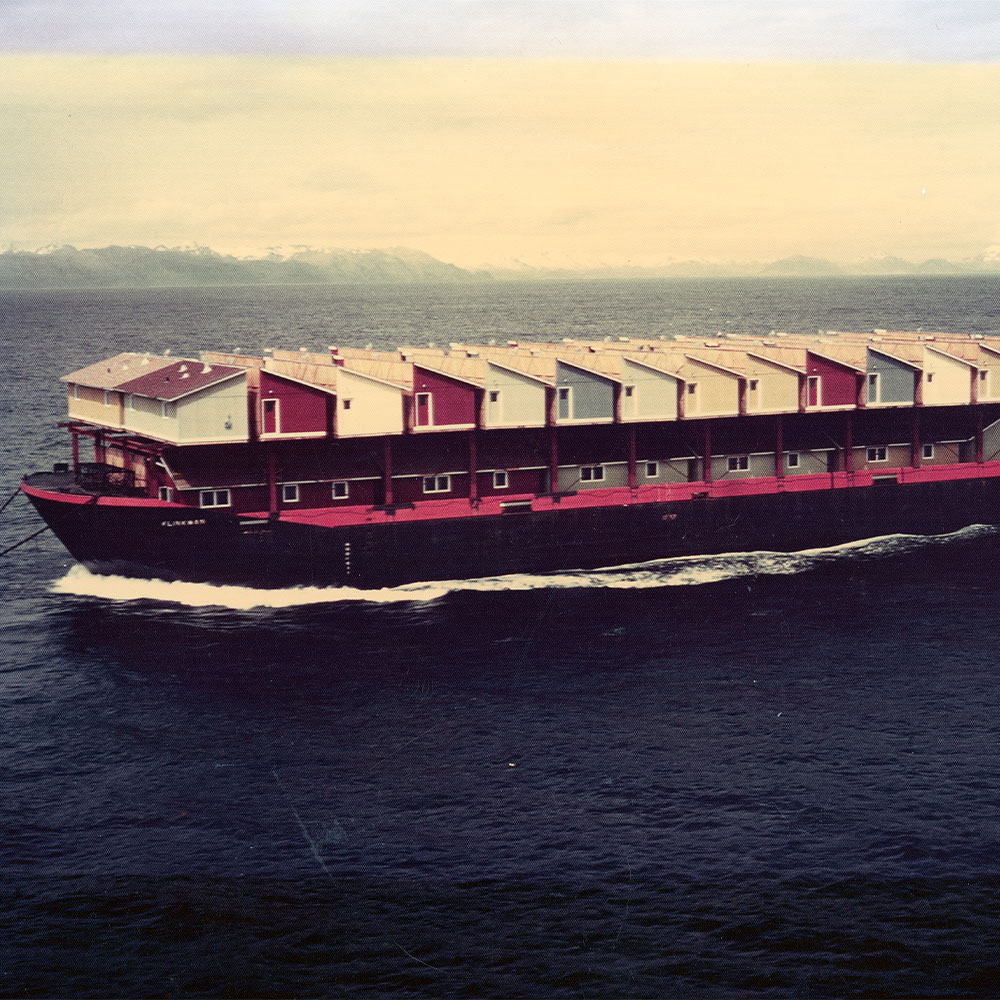
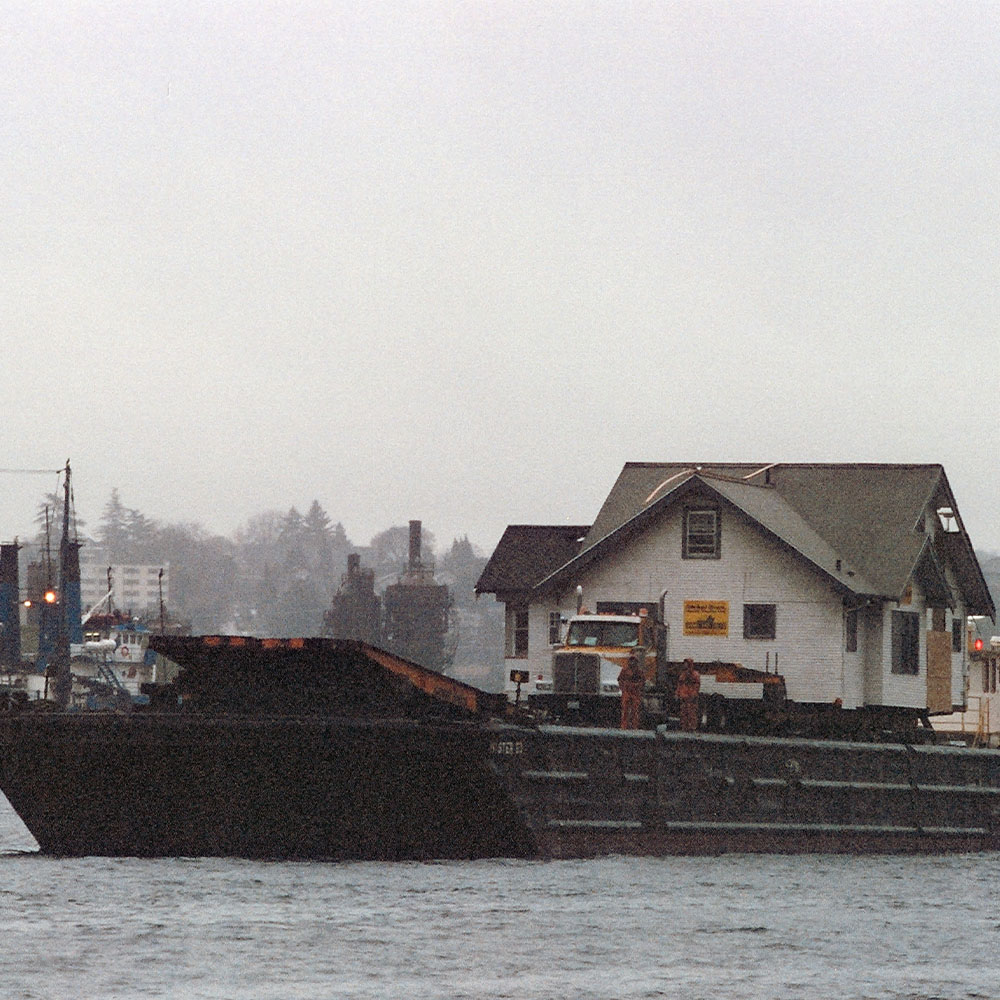
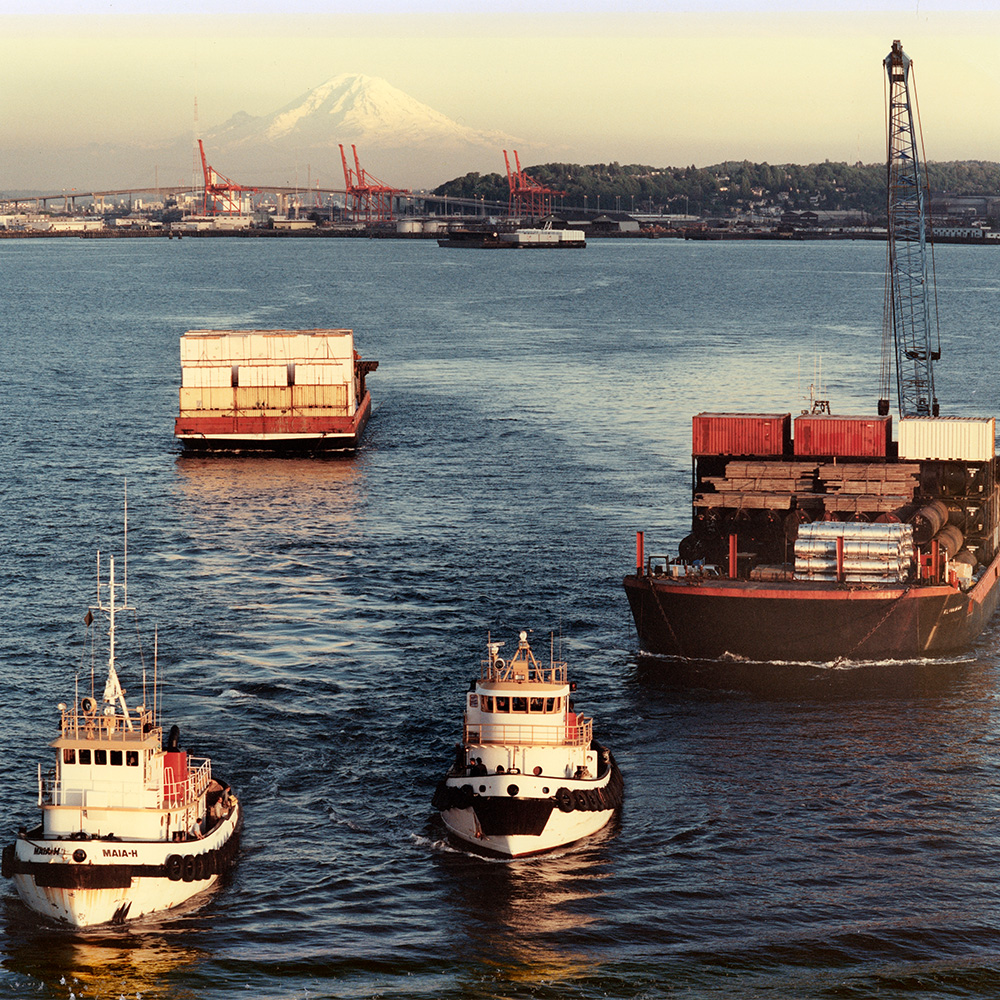
By 1970, Boyer Towing had launched a scheduled tug-and-barge freight service between Seattle and Ketchikan, with barges departing every other week. The response exceeded expectations. As demand continued to grow, every-other-week sailings soon became weekly departures.
Those northbound barges carried far more than freight. They carried trucks, automobiles, heavy equipment, building materials, grocery store inventories, household furniture, and countless other essentials that supported the growth of communities throughout Southeast Alaska.
What had begun decades earlier with a single sailing vessel, the Billie H., had evolved into a dependable marine transportation company connecting the Pacific Northwest with Alaska and helping build communities one barge load at a time.
A Pacific-Wide Maritime Company
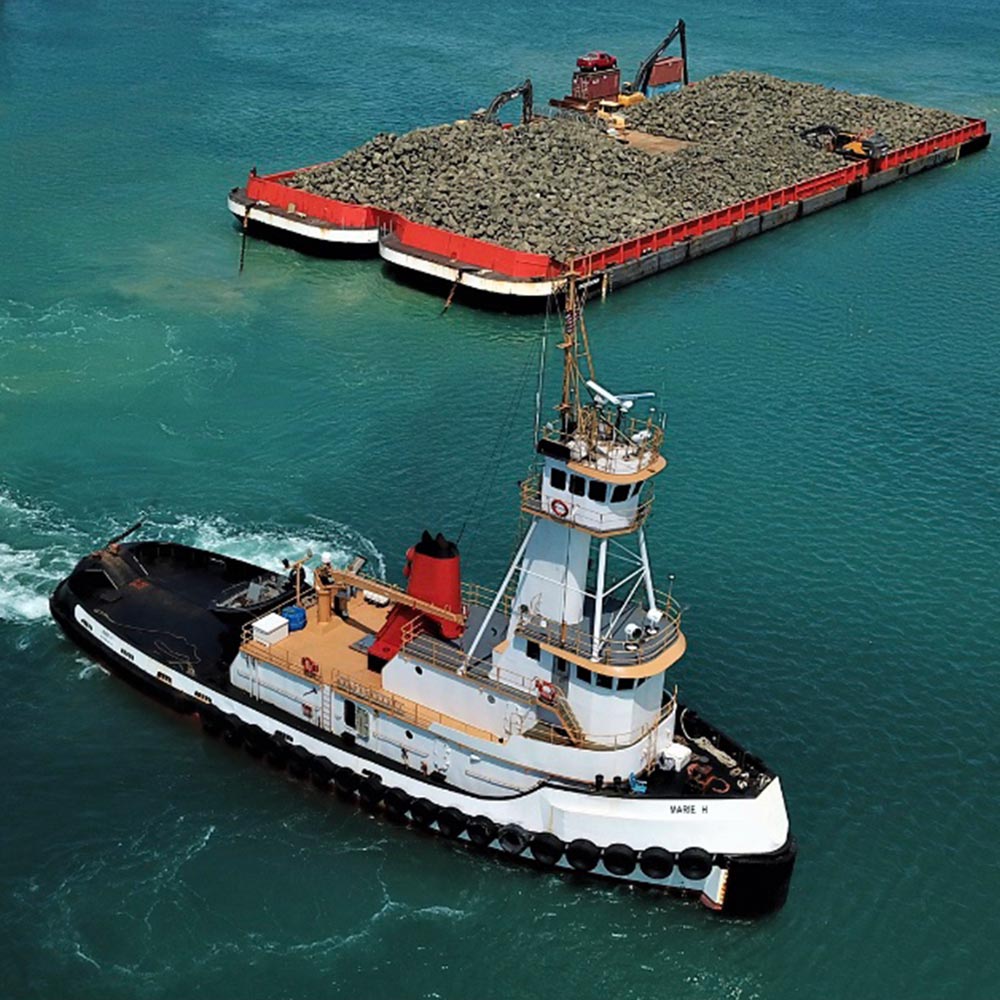
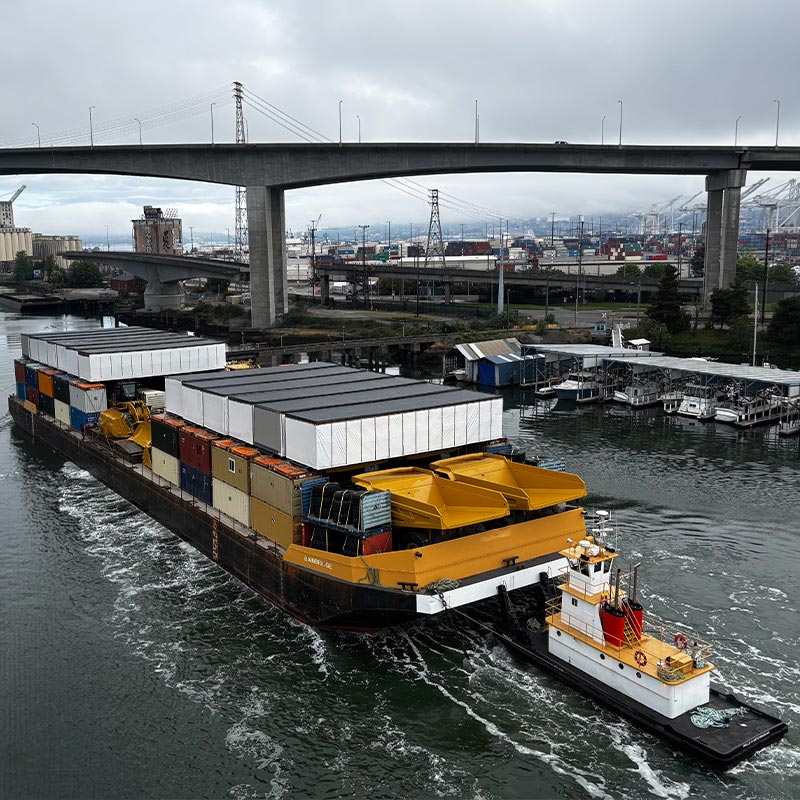
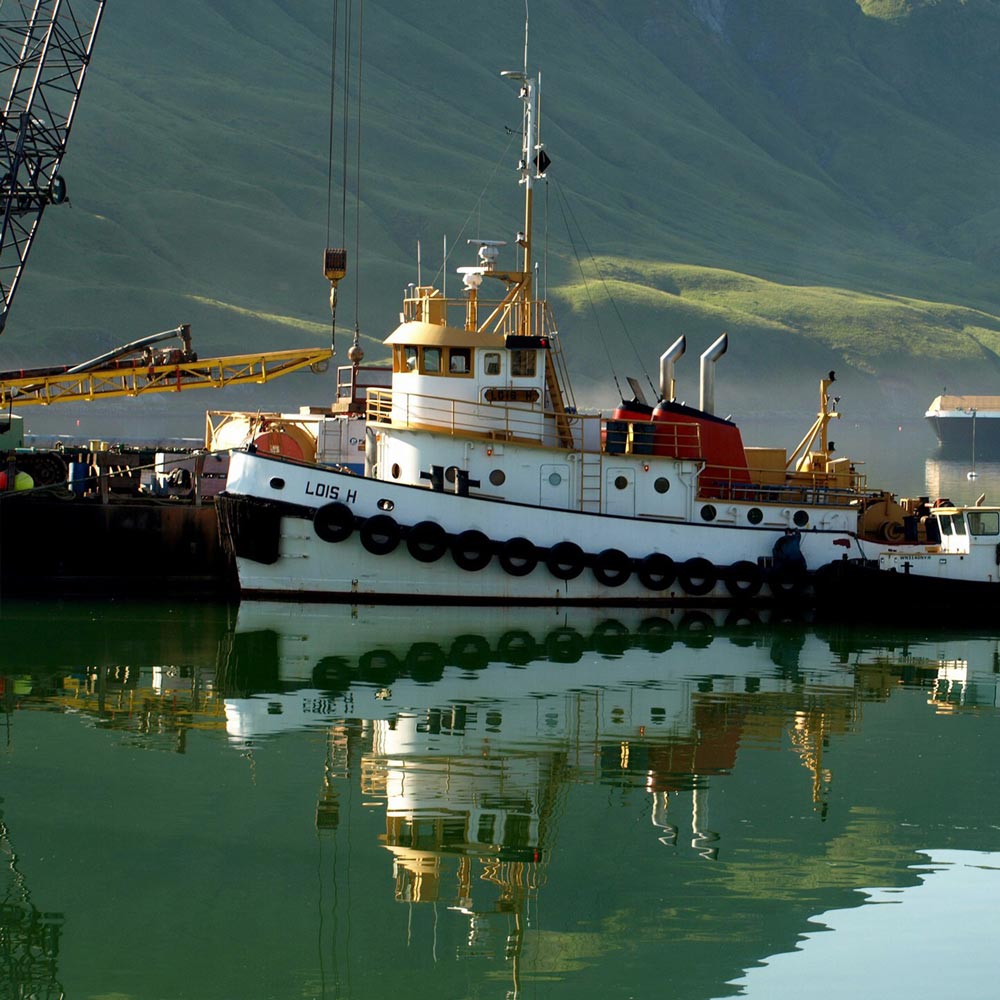
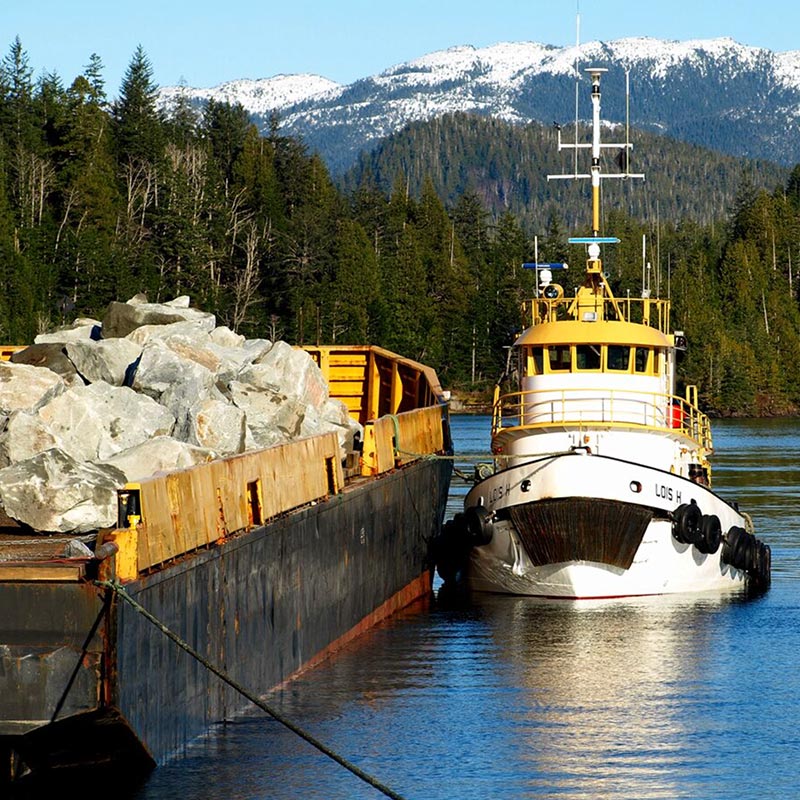
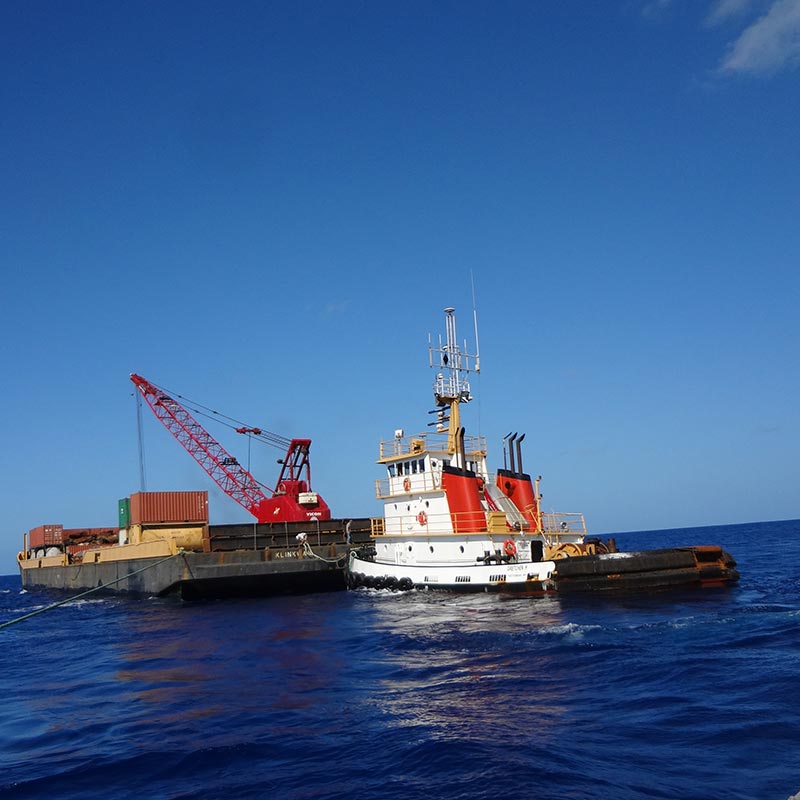
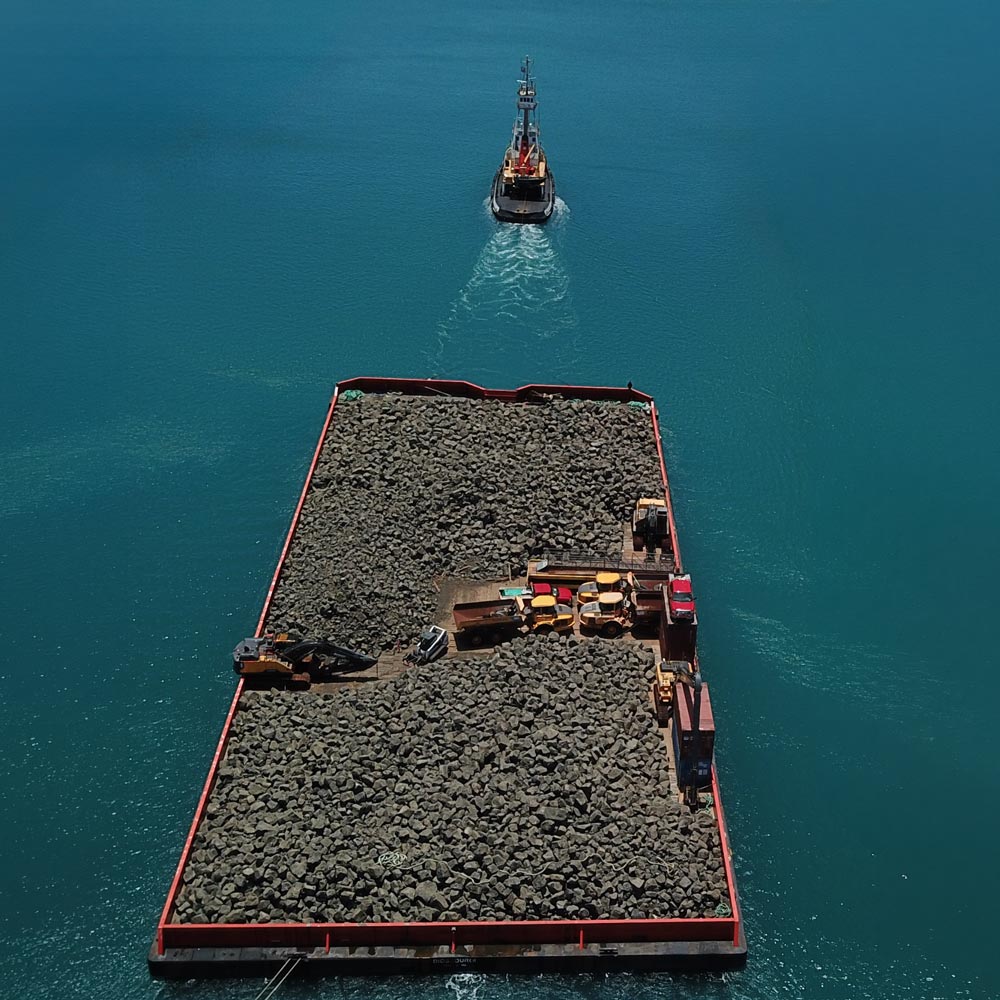
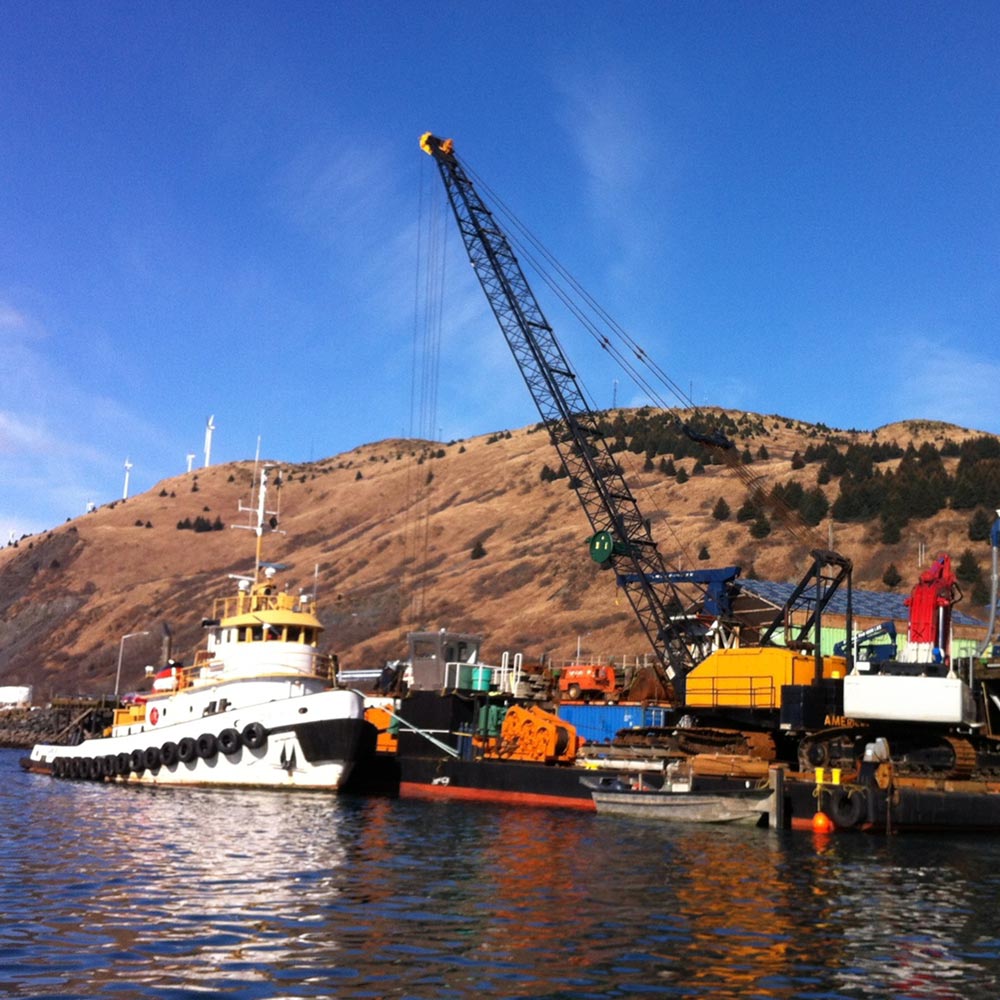
Over the decades that followed, Boyer Towing steadily expanded its capabilities, its fleet, and its geographic reach while remaining family owned and operated. What began with a single tug has grown into a modern fleet of 26 tugboats and 44 barges serving customers throughout the Pacific Northwest, Alaska, Hawaii, the Pacific Islands, and beyond.
Today, Boyer Towing provides marine transportation, cargo delivery, project logistics, and marine project support services across the Pacific. From moving construction materials to remote Alaska communities and supporting complex marine projects in the Pacific Islands to delivering oversized cargo and creating customized logistics solutions, Boyer Towing goes wherever its customers need a trusted marine partner.
The operating area may now span thousands of miles, but the philosophy remains rooted in the same practical determination that put the Billie H. to work: no destination is too remote, no project is too complex, and no challenge is too great when a customer is counting on Boyer Towing to deliver.
Under the current leadership, passed on by Boyer Halvorsen Sr. to his son Boyer Halvorsen, the company has evolved from a regional towing operation into a respected Pacific-wide marine transportation and project support company, serving commercial, industrial, government, and military customers wherever their work requires dependable marine expertise.
The Next Generation
As Boyer prepares to pass the helm to his son, Martin, and daughter, Halle, the third generation of Halvorsen leadership stands ready to guide the company into its next chapter. The vessels are larger, the projects are more complex, and the horizon is broader than ever—but the values and grit that built Boyer Towing remain remarkably unchanged: work hard, keep your word, take care of your customers, and never be afraid to tackle the next challenge.
Nearly a century after the Billie H. first went to work, the Halvorsen family continues to prove that what some once called “playing with boats” became one of the Pacific Northwest’s enduring maritime success stories—and a Pacific-wide company whose story is still being written.